Posts

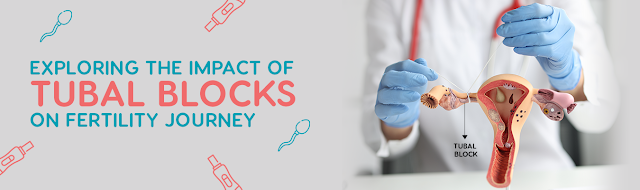
Impact of Tubal Blocks on Fertility: Exploring the Challenges
Image
Introduction Are you struggling to conceive despite trying for months or even years? One of the many factors that could be hindering your fertility is tubal blocks. The fallopian tubes play a crucial role in conception, but when they become blocked, it can make getting pregnant difficult. In this blog post, we'll explore what tubal blocks are and how they impact fertility. We'll also discuss the challenges of dealing with tubal factor infertility and the treatment options available to help you overcome them. So let's dive into this topic and learn more about how tubal blocks can affect your chances of conceiving! What are tubal blocks? The female reproductive system is a complex network of organs and tissues that work together to produce, transport, and fertilize eggs. One crucial component of this system is the fallopian tubes. Tubal blocks refer to any obstruction in these tubes that prevents the egg from traveling from the ovary to the uterus. When blockages occur, it ca...

Endometriosis: Symptoms, Diagnosis, and Treatment - MatrikaIVF

Image
What is Endometriosis? Endometriosis is a medical condition that affects female reproductive organs. It occurs when tissue similar to the lining of the uterus (endometrium) grows outside the uterus, typically in the pelvic region but can also be found in other areas of the body. Chronic pelvic pain and infertility are commonly associated with endometriosis, as there is a correlation between endometriosis and fertility issues. Endometrial-like tissue can cover the bowel, ovaries, and tissues lining the pelvis, leading to these symptoms. While it is rare for the tissue to spread beyond the pelvic area, it is possible in some cases. The endometrial-like tissue that grows outside the uterus is referred to as an endometrial implant. There are various theories as to why this condition occurs, the cause is not clearly understood. Endometriosis may cause: ● Inflammation, pain, and lesions ● Irritation ● Scar formation ● Adhesions where tissue binds your pelvic organs together ● Severe pain dur...

Causes & Symptoms of pcos (Polycystic ovary syndrome)- MatrikaIVF

Image
What is PCOS? In 1935, Stein and Leventhal first described this condition in modern medical literature, documenting seven female patients who experienced amenorrhea, hirsutism (excessive hair growth), and enlarged ovaries with multiple cysts. Today, PCOS is recognized as a common, diverse, and heritable disorder that affects women throughout their lives. Women with PCOS are at a slightly higher risk of various metabolic and reproductive health consequences, including miscarriage, hypertensive disorders, gestational diabetes, cardiovascular disease, preeclampsia, prediabetes, type 2 diabetes, stroke, chronic kidney disease, breast cancer, endometrial cancer, and renal failure. PCOS is characterized by ovulatory dysfunction, hyperandrogenism (excess androgens), and polycystic ovaries. However, there can be significant variations in how the condition presents in individuals. It is commonly associated with abnormal menstruation, excess androgens, anovulation ( lack of ovulation ), and subf...

5 Questions to ask your fertility specialist on first visit - MatrikaIVF

Image
  What is Fertility? Fertility refers to the ability of a person to Reproduce. The combination of sperm and egg allows for the formation of a zygote, the beginning of a new life. Unfortunately, not all individuals have the same level of fertility, as many factors can lead to infertility. There are numerous causes of infertility, with common factors including female egg quality or quantity, blockages in the reproductive tracts, male low sperm count or motility, and other health conditions. If you are trying to conceive and don’t succeed after one year, it may be time to consider other fertility options, such as fertility treatment or IVF (in vitro fertilization).  IVF treatment  is a process in which eggs are retrieved from the female partner and fertilized with sperm in a laboratory setting. After several days, the resulting embryos will be placed inside the woman’s uterus using a catheter. In most instances, IVF treatment is successful with just one cycle; however, more ...

When Should You See a Fertility Specialist ?

Image
Infertility is the inability to get pregnant after unprotected intercourse for at least a year. While ovulation issues can contribute to infertility in some circumstances, there are many other potential factors. Infertility is frequently treatable with medicine or surgery. The choice of treatment is based on test findings, how long a couple has been trying to conceive, their general health, and the partners' desires. In your quest to establish a family, you might want to consult a fertility specialist for the following reasons. 1. You haven't conceived after 12+ months of sexual activity without birth control The average time it takes a couple to get pregnant is five to six months. If you are under 35 and had unprotected intercourse (sex without using birth control during the previous 12 months), you might want to see a fertility specialist. 2. You're Over 35 Our eggs become less plentiful and less healthy as we get older. (Age's advantages and disadvantages!) If you ar...